Craft Connections: Vincent

Vincent Federici
At McKenzie Craft, we often say that while our work speaks for itself, it is the people behind the tools who define our identity. For this special edition of CRAFT CONNECTIONS, I sat down with our CEO, Vincent Federici, to look at the history that shaped his vision for the company.
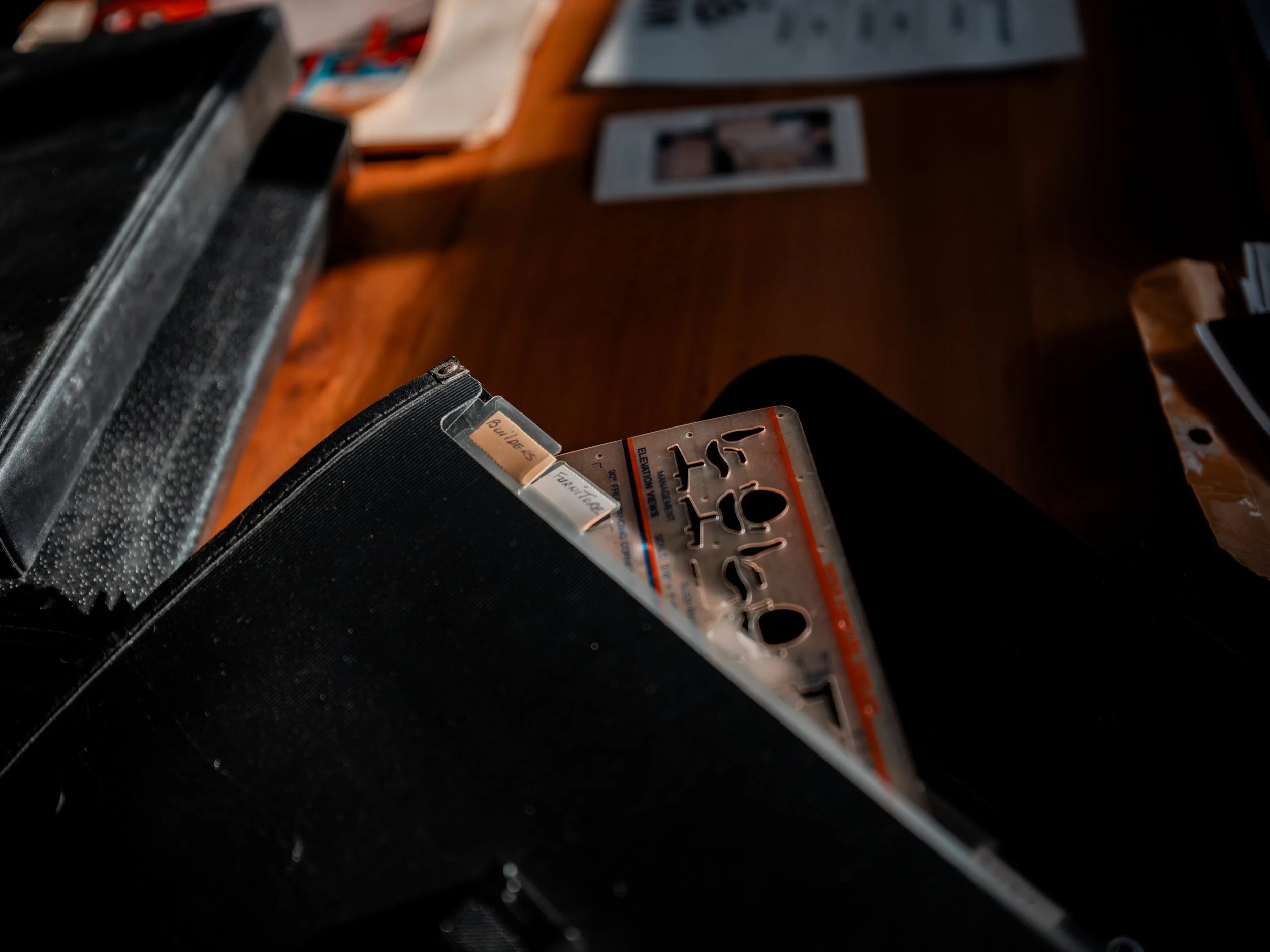
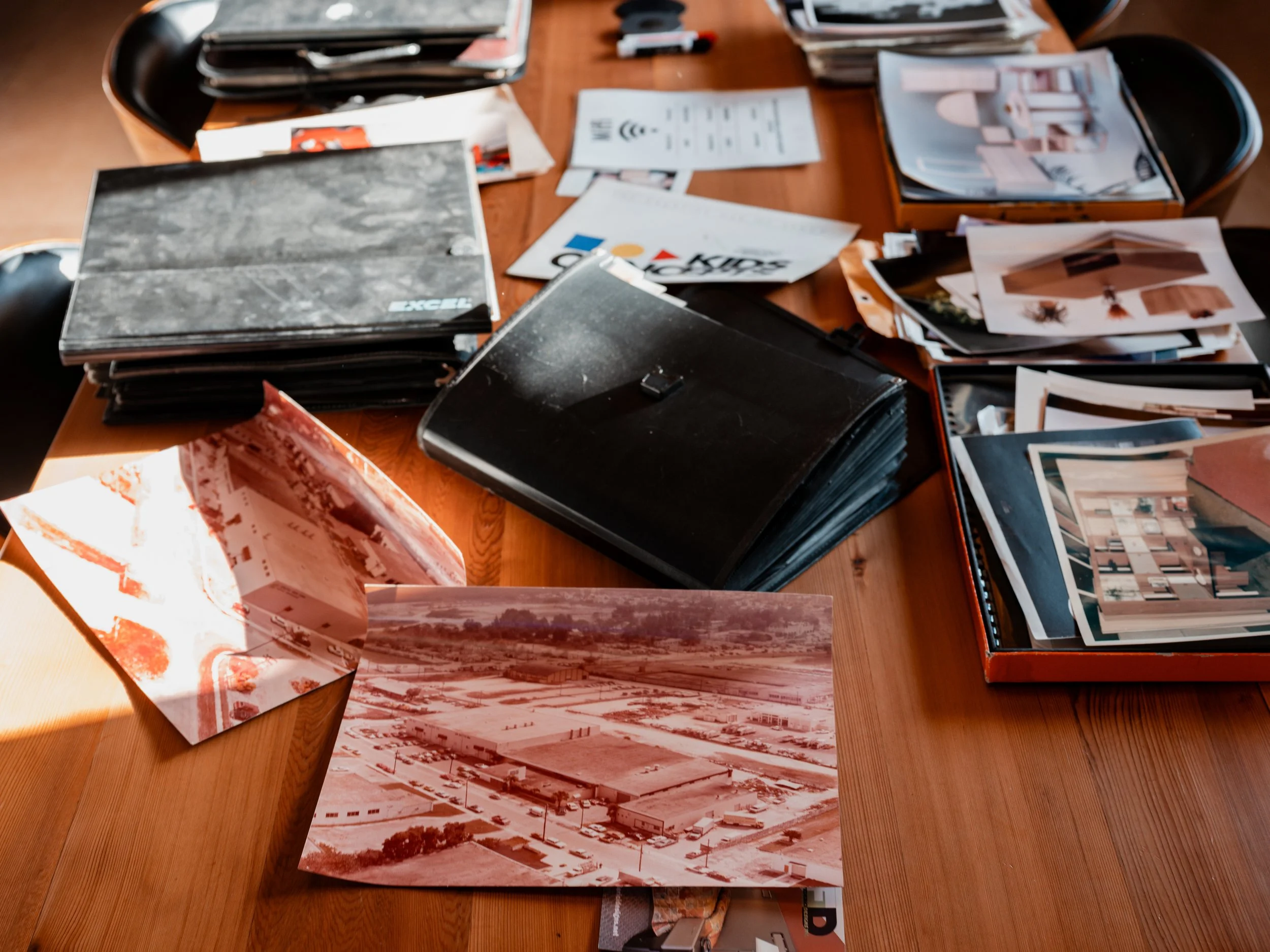
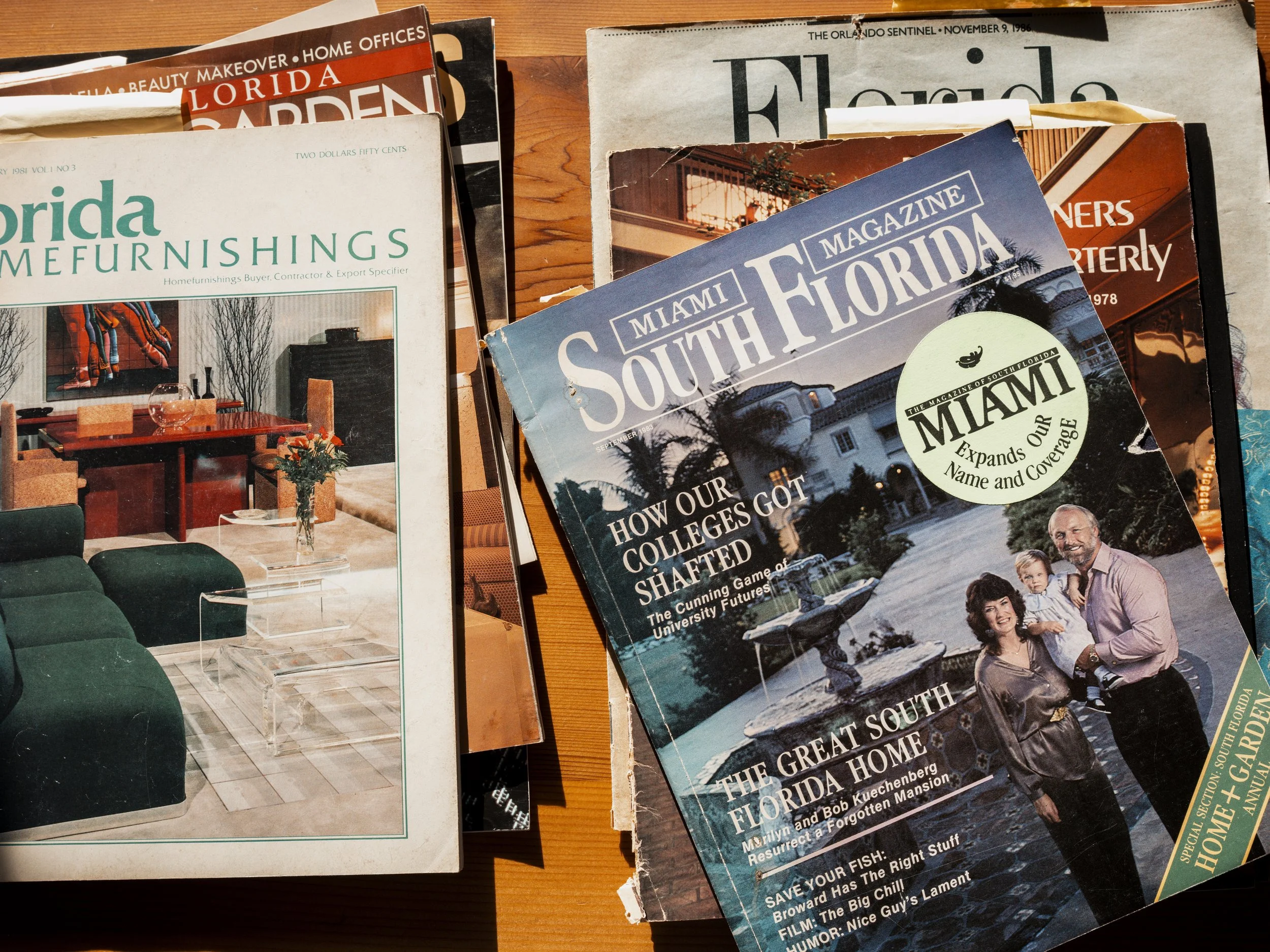
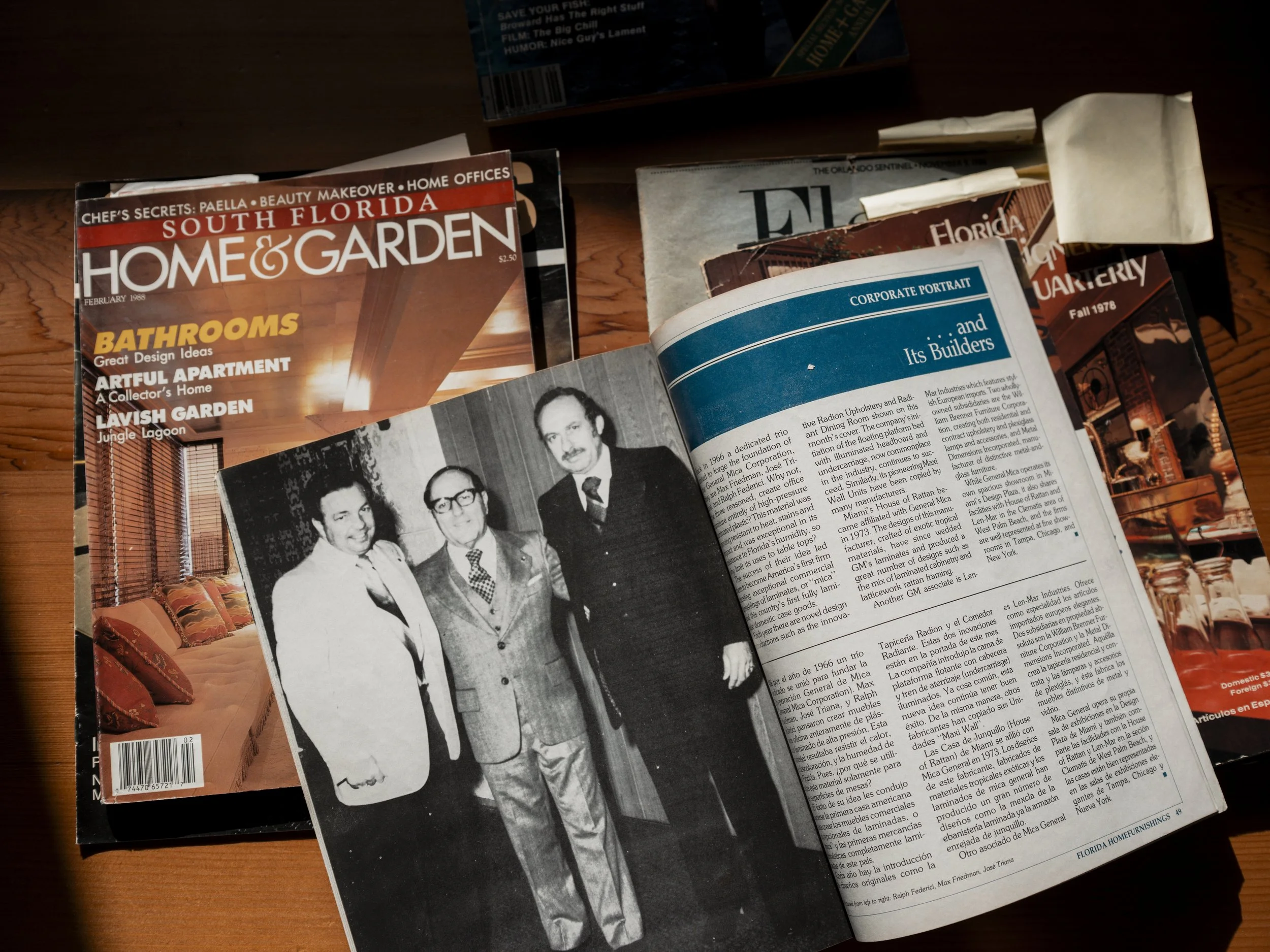
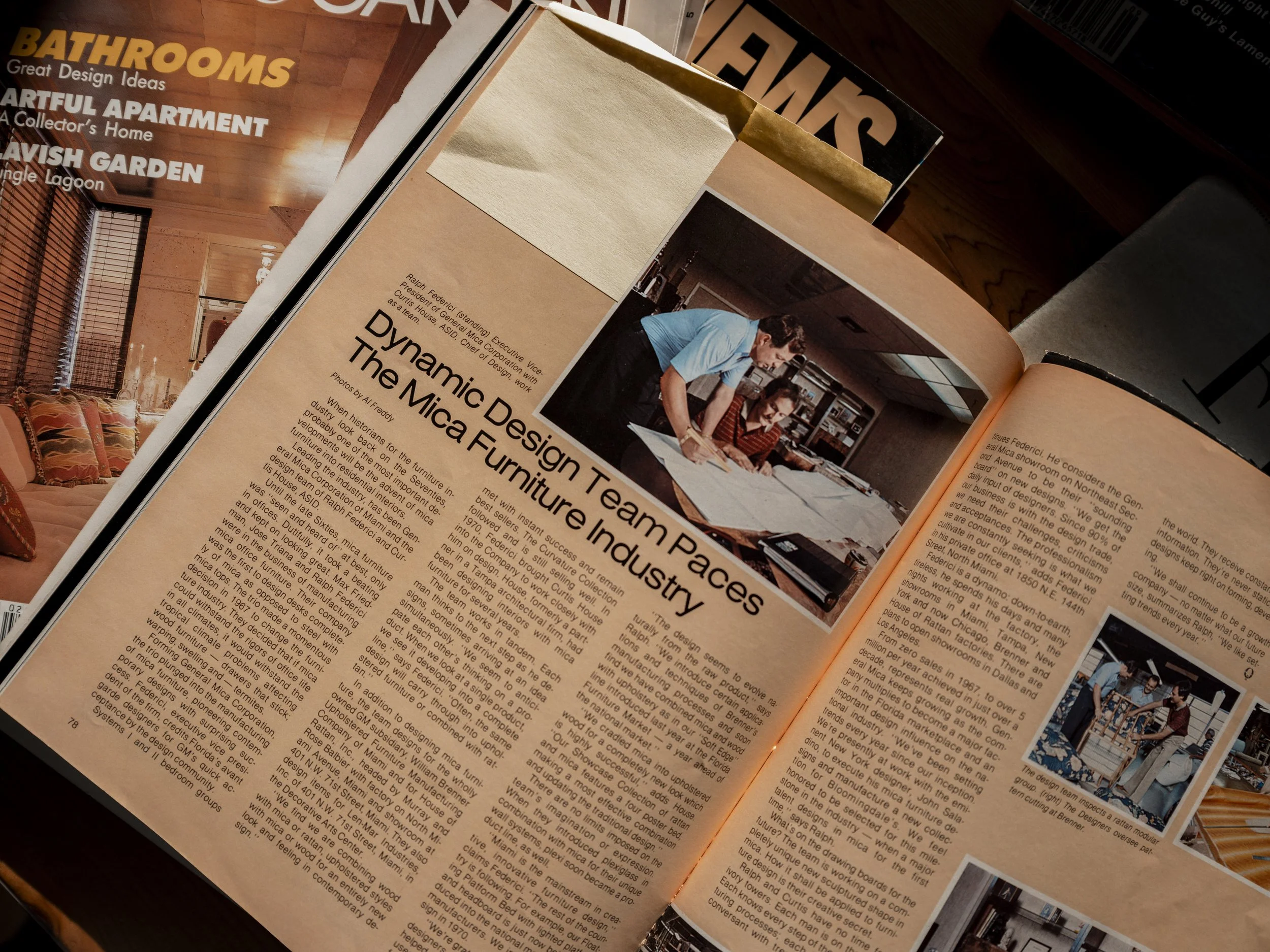
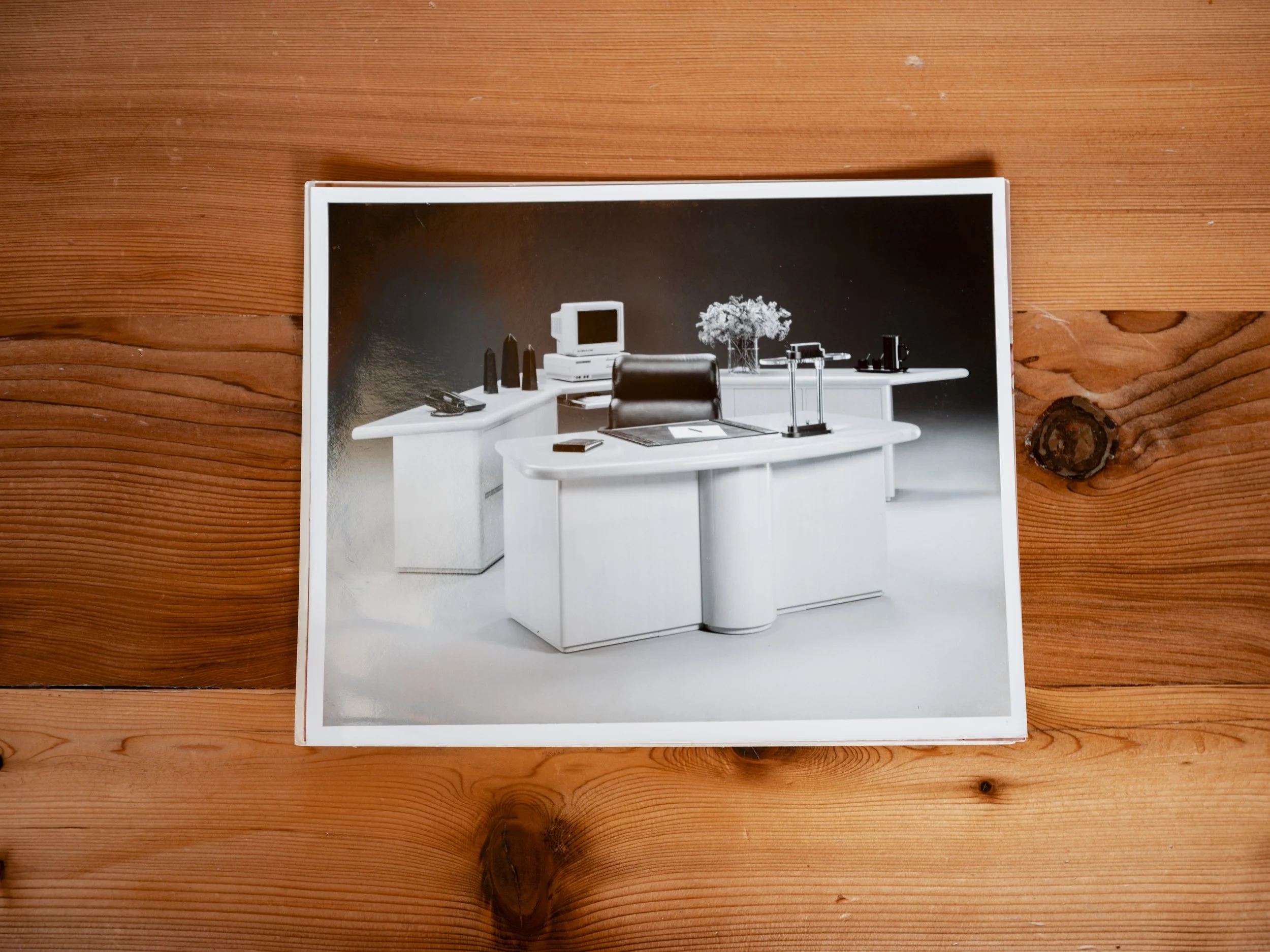
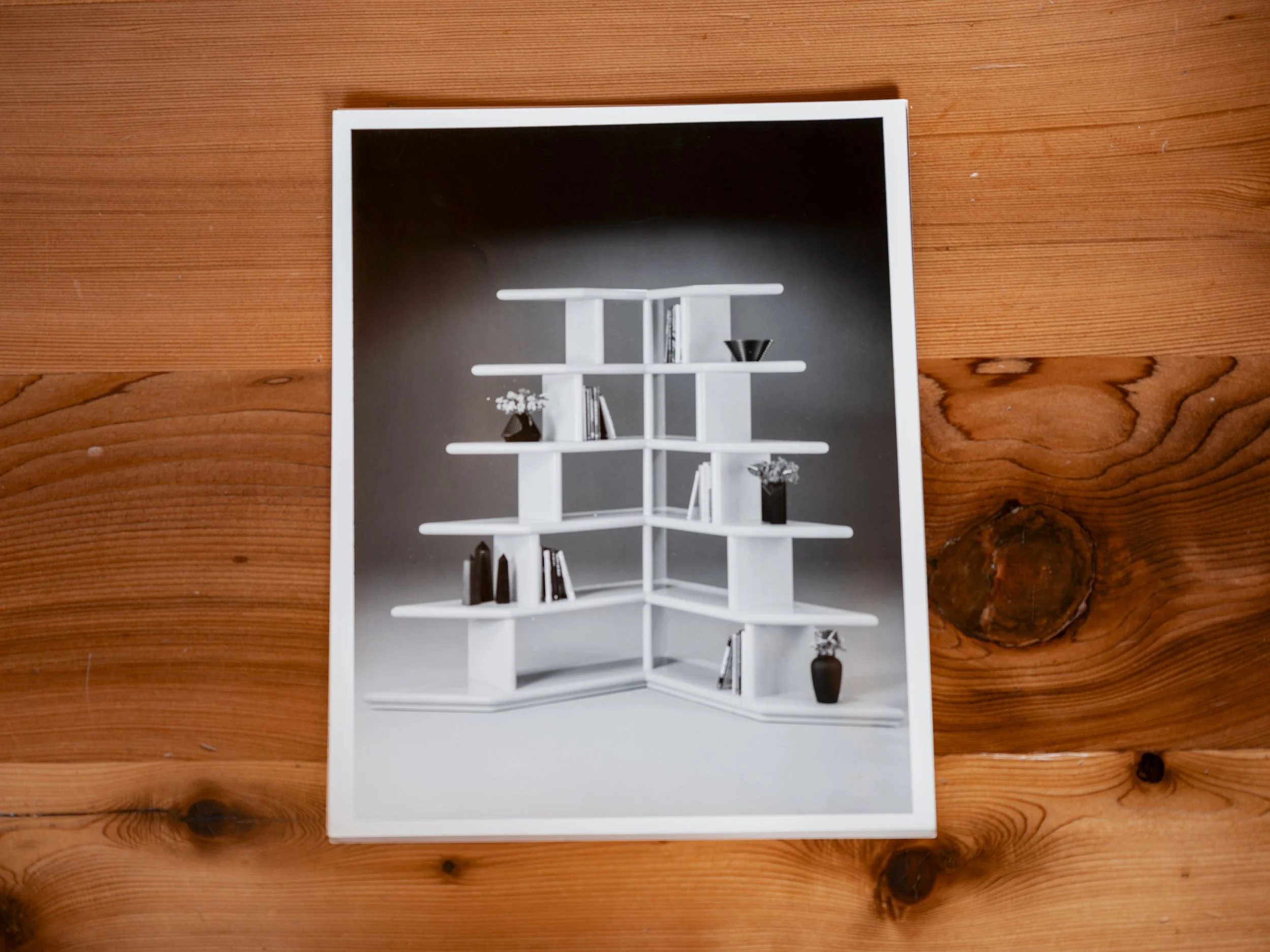
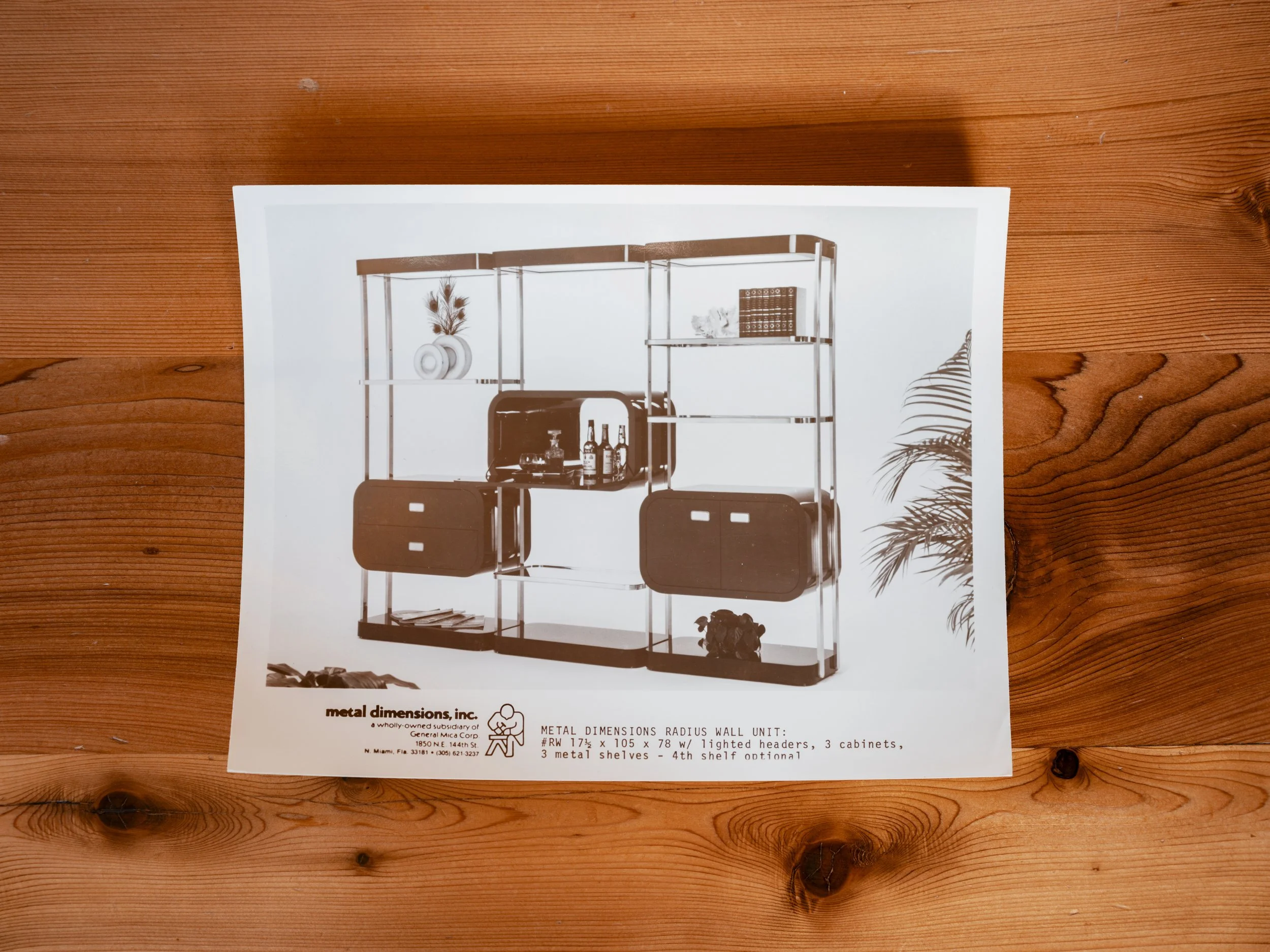
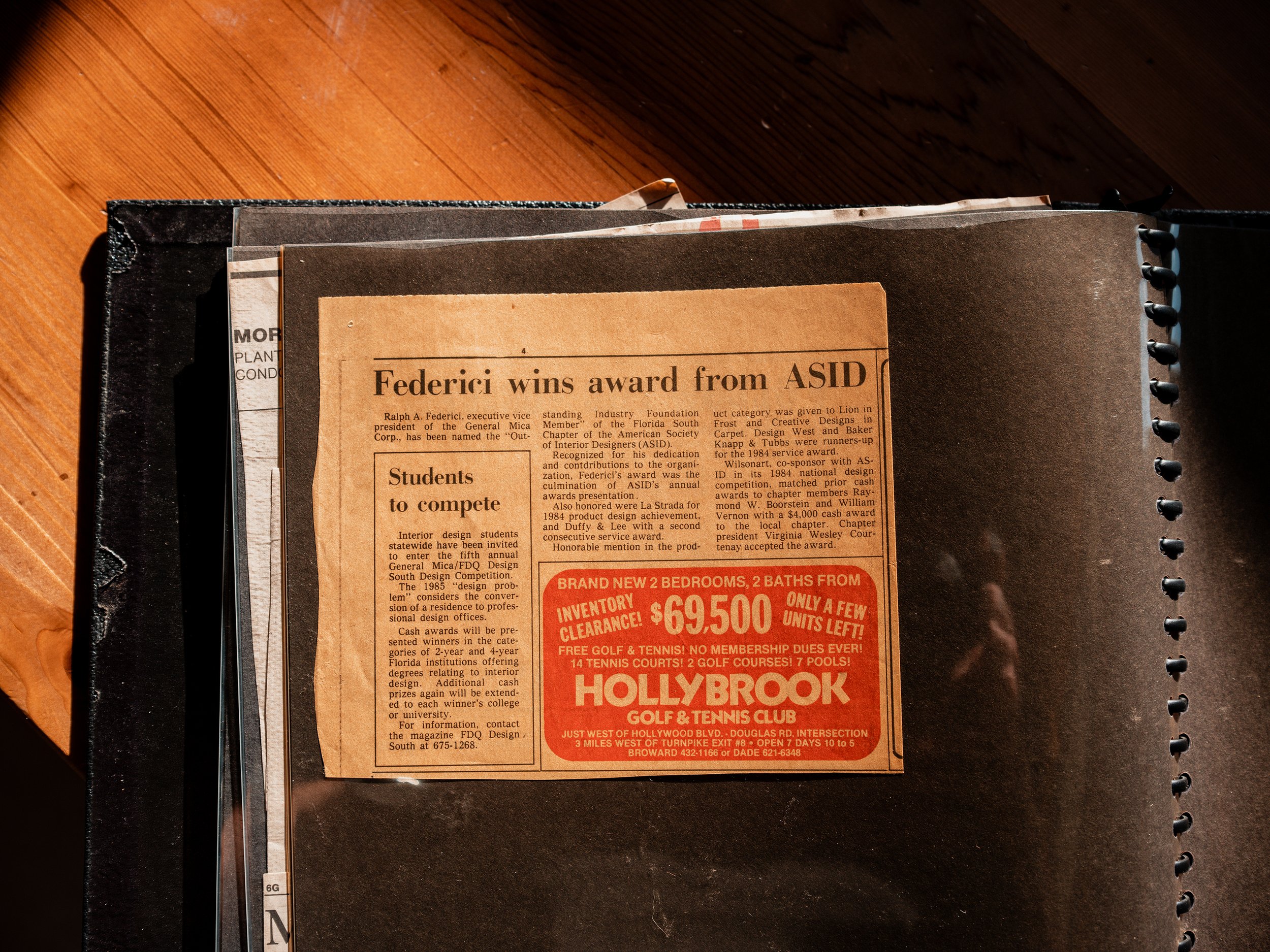
Vince recently brought in a box of mementos that spans generations of his family's history in the industry. Articles and images of his father and aunt at his grandfather’s business provide a full history of the family's fabrication work in South Florida, highlighting the decades of progress they helped achieve and the legacy that Vince continues.
Vince’s journey from point A to point B was built on this foundation. From cleaning contact cement off furniture as an eight-year-old in his grandfather’s factory to steering the strategic vision of McKenzie Craft today, his story is rooted in the reality of the shop floor. He brings decades of deep technical knowledge to the table, paired with a unique ability to lead, listen, and inspire, traits that have created a unique environment of innovation, efficiency, and support that define what it is to be a part of the Craft team. I spoke with him about those roots, the evolution of the trade, and his mission to make the impossible feel easy.
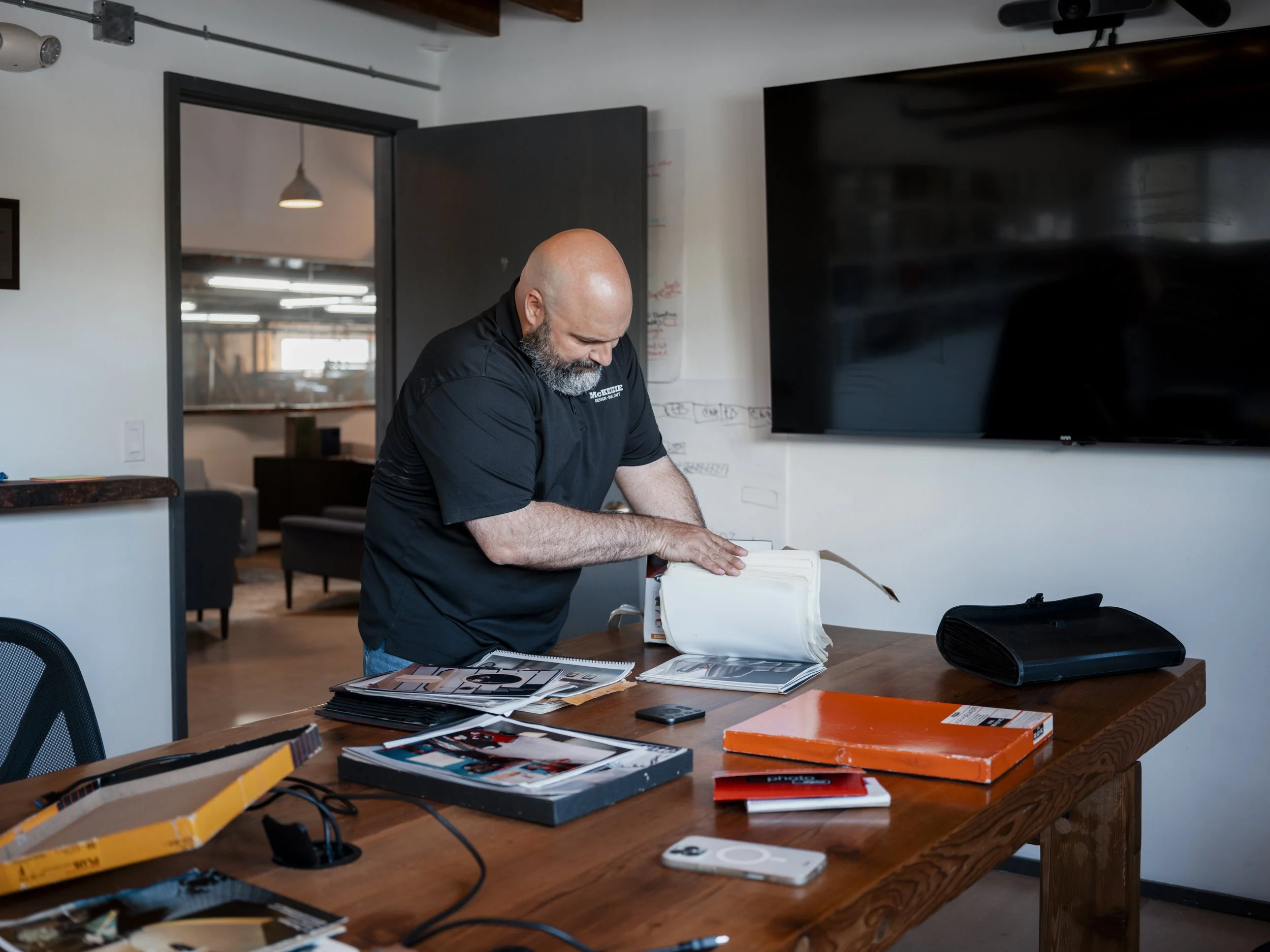
Vincent Federici | McKenzie Craft HQ
Tell me a bit about your background: how did you first get into fabrication or this line of work?
Design and furniture have been in my family for three generations. One of my grandfathers, Ralph Federici, owned and operated General Mica. It was a 100,000 square foot hospitality millwork firm located in Miami with over 100 employees at its prime. My other grandfather, Humberto Fernandez, worked in this factory and led the upholstery shop.
My mother and father met through the connection of business and community. Growing up, my whole family worked for these businesses: aunts, uncles, cousins, and myself. I grew up in the factory, showrooms, and design centers. After school, weekends, and summers, it was a part of growing up. I learned the Craft as a necessity. I was there all the time and we always needed the help. I worked several jobs in the business from as early as eight or nine years old. I learned different roles from cleaning contact cement on furniture to fabrication, design, and even shipping. As I grew up, I was given more responsibilities and taught more and more. I never understood the value of this experience until I was much older and realized I had a foundation for my career unlike anyone else at my age.
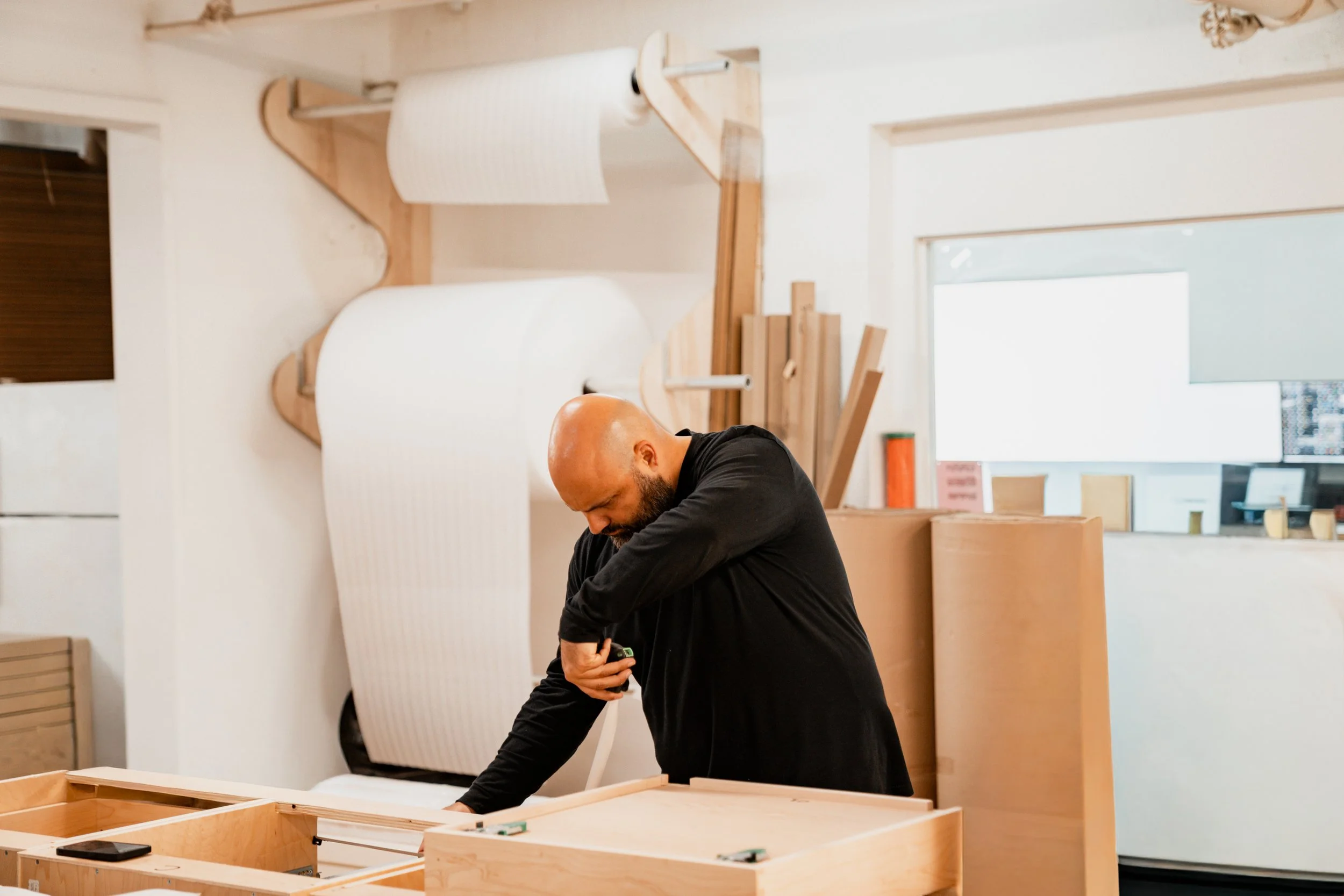
Vincent Federici | McKenzie Craft Shop Floor
What path brought you to McKenzie Craft?
I was exploring freelance and consulting opportunities when I found McKenzie through a trusted connection at Richelieu. From the very first conversation, the word was that the people at McKenzie were something special, and in this industry, talent and culture are everything. After several months of meetings with Gavin and the team, it became clear that our values were perfectly aligned.
I was originally brought on as the Shop Director with a specific mission: to streamline our operations, clean up the workflow, and elevate the production process to match the scale of our ambition. What started as a consulting project quickly turned into a decade-long journey. Ten years later, that initial "spark" hasn't faded; I’m still here because the people and the potential of this shop continue to be unlike anything else in the industry.
Can you describe your current role here: what do you handle day to day?
As CEO, my job is to lead the organization and our leadership team. I set the long-term strategic direction and the vision for where we are headed. On a day-to-day basis, I make sure we stay focused on our core purpose and our profitability without losing the culture that makes us successful. My goal is to ensure the business remains a place where people can do remarkable work. Ten years in, I still believe the people here are the primary engine behind everything we achieve.
Are there any materials, tools, or processes you specialize in or particularly enjoy working with?
I am naturally curious. Anytime we decide as an organization to innovate with technology, process, or constructability, I always bully my way onto the team tasked with that innovation. I love to see a problem made easy. Nothing in this business is more rewarding, and that may be why strategically this is Craft’s purpose as an organization. We are here to make the complicated, crazy, wildest projects seem easy for our customers and stakeholders. Our goal is to make the impossible feel easy.
What has been a standout project for you at McKenzie Craft so far, and why?
We never stop pushing the boundaries, so my favorites tend to change as we continue to innovate. It was SLS Brickell, then Speed of Light, Kith, and now Casamar. Looking at the roadmap for 2026 and 2027, I already see new favorites on the horizon. To me, the projects that stand out are the ones that demonstrate how this team overcomes a technical challenge. They are often the most stressful and high-stakes jobs we take on, but seeing the team navigate those complexities makes them the most rewarding.
What do you think sets McKenzie Craft apart from other shops or teams you’ve worked with?
Most of my career has been spent leading organizations or having a significant influence over how they operate. Because I work more than I relax, I often find myself with my co-workers more than my own family. That reality made it a priority for me to build a business where people actually look forward to showing up every day.
The work we do at Craft is challenging, but it is designed to be rewarding. I’ve found that when our staff is supported and hunting for that specific feeling of achievement, they serve our clients and projects with a level of care you won't find anywhere else. For us, working on these projects isn't just an obligation; it is a privilege to be able to put the McKenzie stamp on some of the most iconic projects in the region.
What is the driving philosophy or core value that guides your decision-making as CEO?
No matter how complicated things may be, we can find a way to make it easy.
How do you foster a culture of innovation here, especially when it comes to adopting new fabrication techniques or technologies?
Our purpose is to make the impossible feel easy. This is external and internal. We promise easy to clients, but we owe it to ourselves as well. Innovation is extremely hard. It is a lot of research, trial and error, and failures more than successes. But when you get it right and solve an issue, the feeling of accomplishment is infectious. We judge our people on their success and ability to overcome, not their failures. That feeling of accomplishment is what drives our culture of innovation and promotes forward thinking.
When you look at a finished project from McKenzie Craft, what makes you feel the most pride?
When I look at a project, I am naturally analytical; I’m always thinking about what we could have done differently or the improvements we’ll make on the next one. To feel true pride, I have to look at the people who experience the space.
Whether it is our own project team relishing the accomplishment of a difficult build, a client seeing their vision completed for the first time, or even a stranger taking a photo in front of something they find inspiring: that’s where the value is. When a space we built invokes a physical emotion that we can actually see, it validates the effort. Those reactions are what drive me to keep pushing the team to build even wilder and more ambitious spaces.
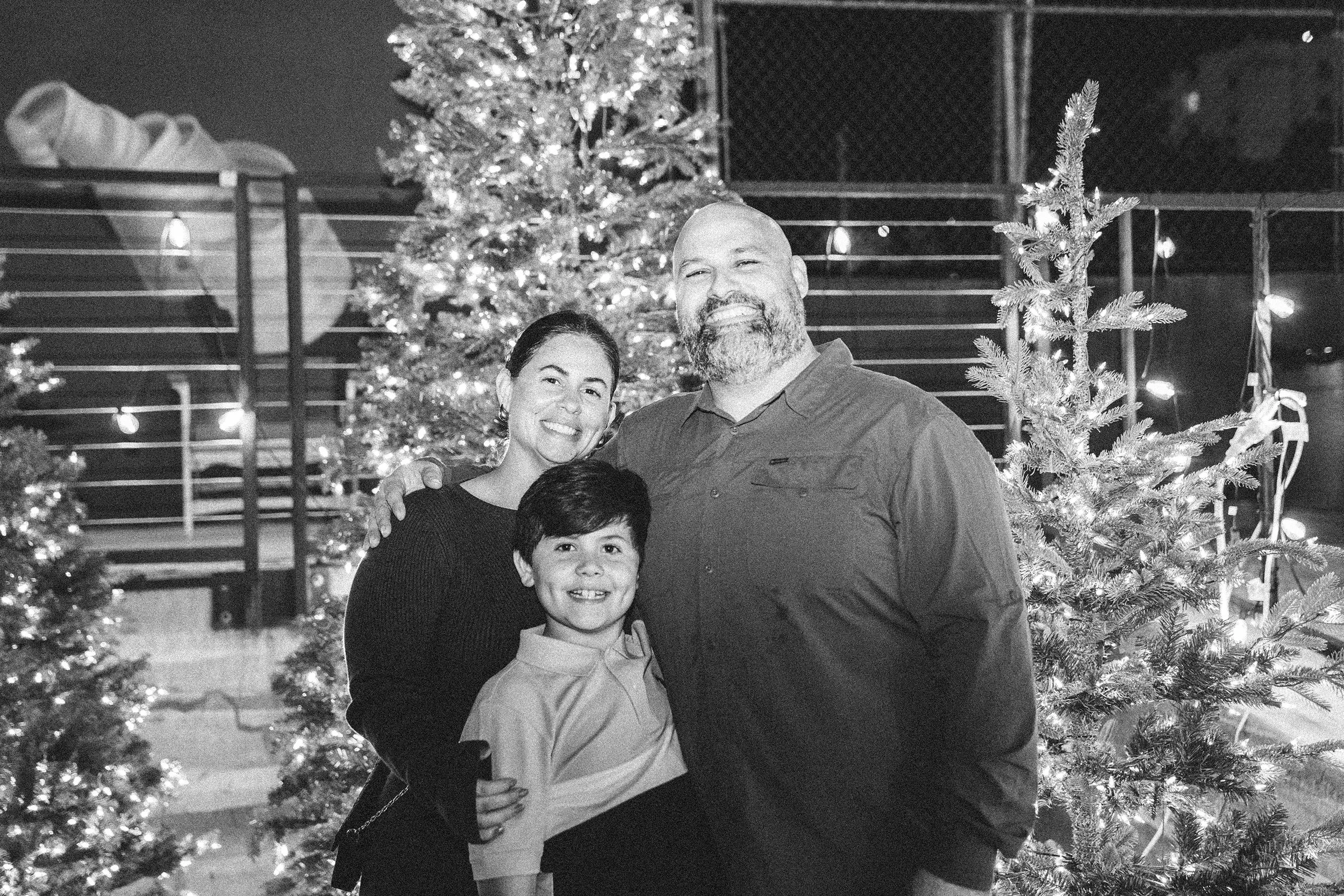
Vincent Federici and Family | McKenzie Craft HQ
How do you spend your time outside of the workshop? Any hobbies or creative outlets?
I love being outdoors, whether I am fishing, hunting, or camping with my family. I also have a deep passion for cars and motorcycles and maintain a collection of my own projects, many of which are currently under construction. To me, these customized builds serve the same purpose as the work we do at McKenzie. It is about the process of creating something that people can appreciate and find inspiring. While these vehicles invoke a personal sense of accomplishment in me, I really love seeing the impact they have on others.
What kind of project or challenge would you love to take on in the future here?
A passion project I have always wanted to take on would be to try and build a small-scale, affordable single-family home using Craft’s CNC technology, similar to the open source platform WikiHouse.
Where do you see yourself growing within McKenzie Craft over the next few years?
My goal at this stage of my career is to establish a lasting legacy. I believe McKenzie Craft should be an entity that is bigger than any one individual. I am fortunate to work with someone like Gavin, who provided this opportunity to me and shares the mindset that we must build this organization around its purpose rather than any specific owner or founder. My ultimate objective is to ensure that Craft is in a stronger, better position than it is today whenever I eventually decide to move on from my role as CEO.
Looking ahead, what is your long-term vision for McKenzie Craft, and how do you plan to get us there?
As said above, we only need to keep doing what we have been doing for the last few years. Keep innovating, keep changing, continue to learn from our mistakes, and put the right people in a position to do their best work.
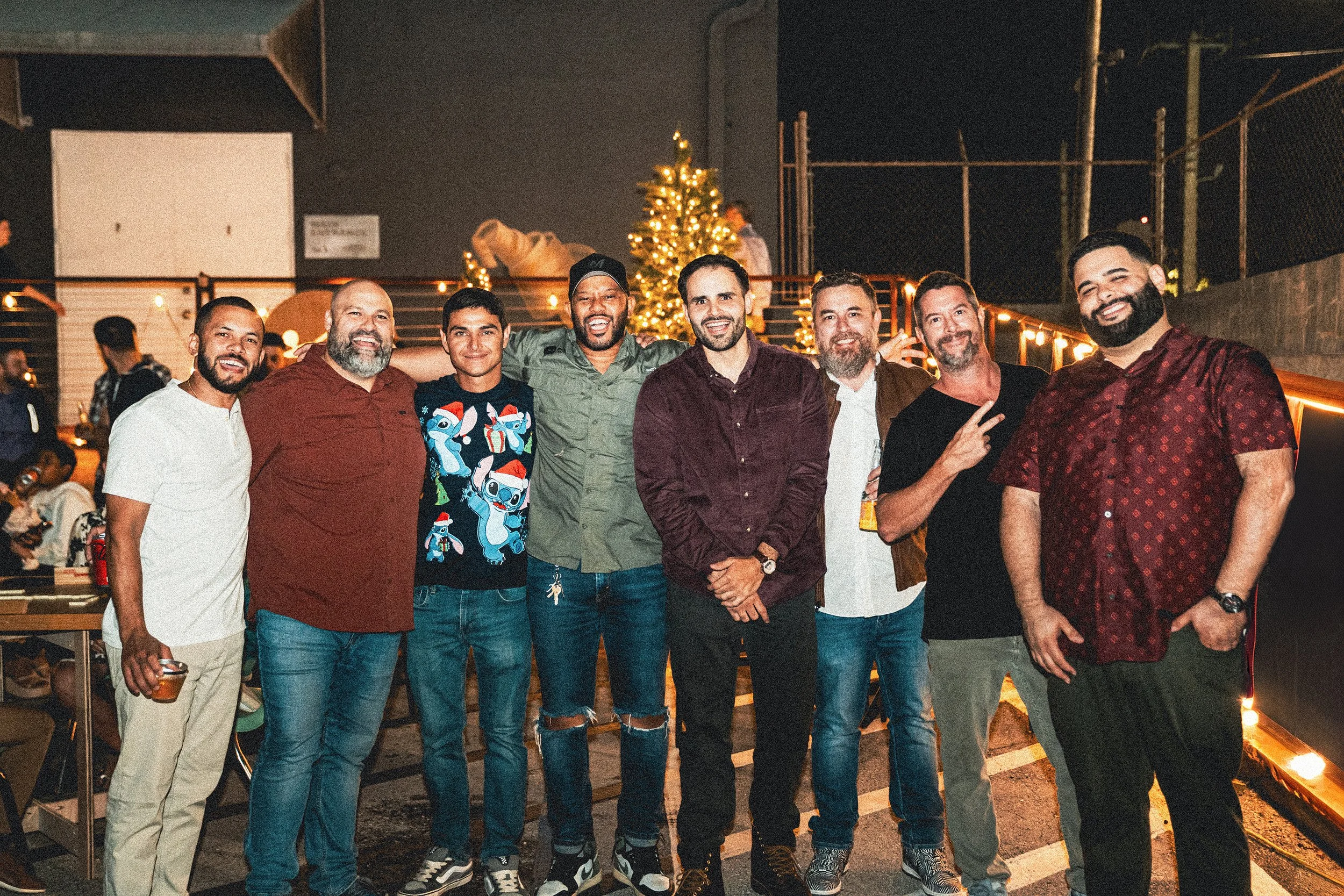
Vince’s collection of mementos isn’t just a look back at where fabrication has been; it is a roadmap for where McKenzie Craft is going. It represents decades of technical grit, a curiosity for how things work, and a refusal to be anywhere but ahead of the curve. The leadership and passion that his experience brings, coupled with a drive for modern innovation, proves that when you have the right technical foundation and a team that hunts for achievement, the impossible projects are the ones most worth doing.