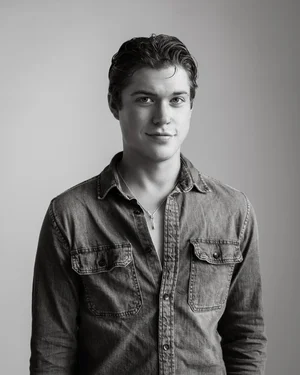
Craft Connections: Stan

At McKenzie Craft, precision is more than a skill, it’s a mindset. That mindset is clearly reflected in the work of Stan, whose technical expertise and methodical approach help drive consistency and accuracy across the production floor. As a Production Engineer, Stan operates at the intersection of engineering and craftsmanship, ensuring complex concepts translate seamlessly into fabrication.
In this edition of Craft Connections, we spotlight Stan’s journey into millwork and fabrication, his day-to-day impact inside the shop, and the behind-the-scenes discipline required to keep high-end work moving forward at the McKenzie Craft standard.
Tell us about your background — how did you first get into fabrication?
I’ve always been drawn to building things with precision and purpose. Early on, I realized I had a natural ability to understand how different materials behave and how to translate an idea into something tangible and functional. That curiosity steadily pulled me toward fabrication and millwork, where craftsmanship and engineering truly come together.
Once I stepped into a professional shop environment, it immediately clicked. I appreciated the level of detail, the problem-solving involved, and the satisfaction that comes from producing something exact and well-built. From that point on, I knew this was the right path for me.
What path brought you to McKenzie Craft?
Before joining McKenzie Craft, I worked in several fabrication environments, but I was looking for a team that placed equal value on technical precision and creative problem-solving. McKenzie Craft stood out because of its reputation for high-end, highly customized work and its clear commitment to quality.
When the opportunity presented itself, it felt like a natural next step, a place where I could both contribute meaningfully and continue pushing my technical skill set forward.
Can you describe your current role and what you handle day-to-day?
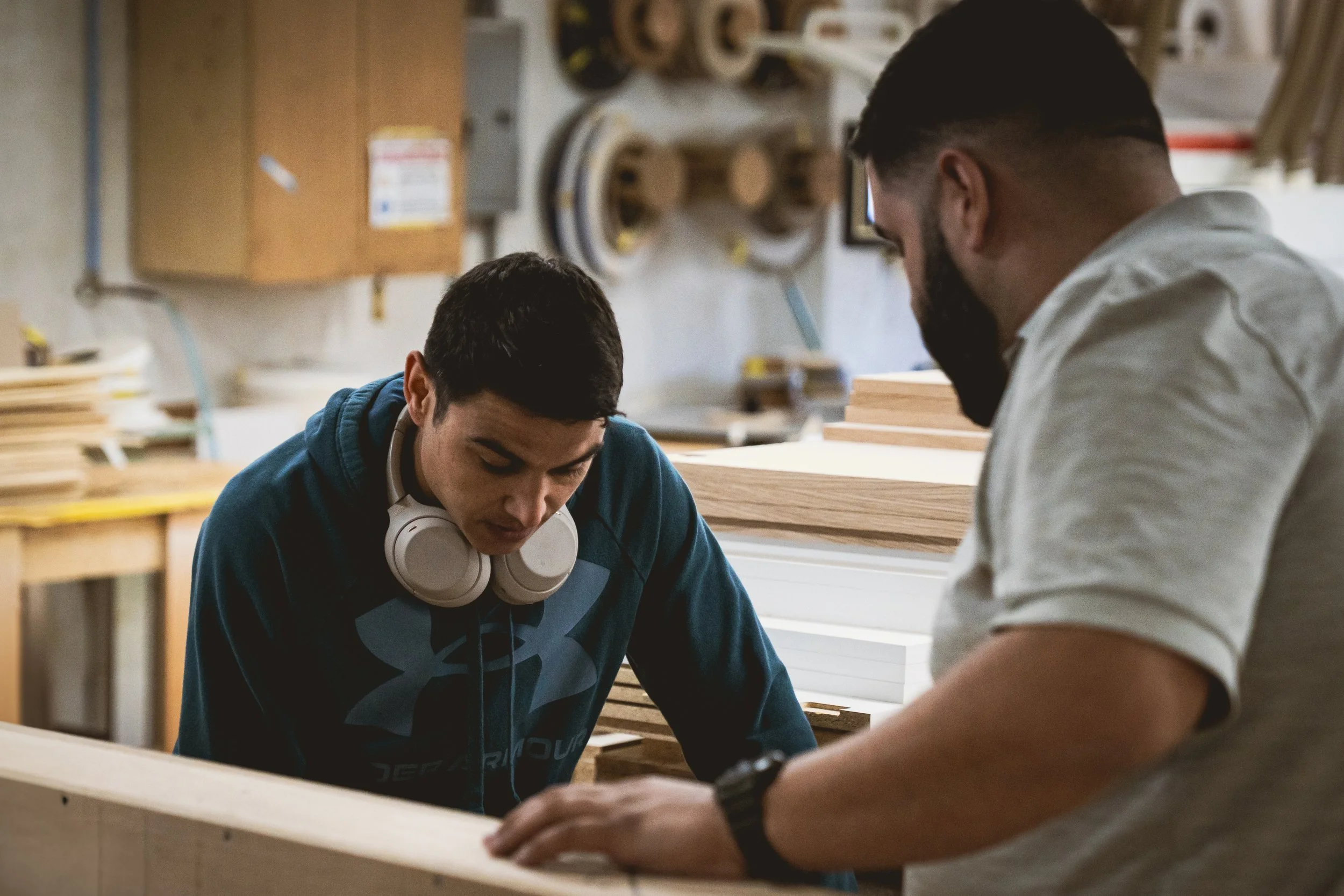
As a Production Engineer, I oversee the technical side of production from early-stage drawing review through shop execution. On a typical day, I’m reviewing engineering details, validating shop drawings, coordinating workflow on the floor, and troubleshooting any issues that could impact fabrication.
A big part of my role is making sure information is clear, accurate, and buildable before work begins. I also support the production team with technical guidance and process improvements to help projects move efficiently from concept through completion. The goal is always the same: eliminate surprises and maintain consistency at every stage.
Are there materials, tools, or processes you particularly enjoy working with?
I especially enjoy working with hardwoods and architectural veneers because they demand a high level of precision and reward careful attention to detail. Those materials really showcase craftsmanship when handled correctly.
On the engineering side, I’m very comfortable working in Microvellum, CNC programming, and detailed shop drawing development. I also enjoy refining and optimizing production workflows, finding ways to make processes more efficient while maintaining the highest quality standards is something I take a lot of pride in.
What’s been a standout project for you at McKenzie Craft so far — and why?
Several projects stand out, including Pier Sixty-Six Rooftop Bar, Casamar Stairs & Screen Walls, and the Loci Sculpture. Each of these involved complex custom installations with tight tolerances and significant coordination between engineering, fabrication, and installation teams.
These projects pushed me to think more strategically, refine internal processes, and collaborate closely across departments. Seeing the final product come together exactly as envisioned, especially on technically demanding builds, is always incredibly rewarding.
What sets McKenzie Craft apart from other teams you’ve worked with?
The level of craftsmanship here is exceptional, but what truly sets McKenzie Craft apart is the culture behind the work. There’s a strong sense of ownership across the team, people genuinely care about the outcome, not just their individual task.
Communication is clear, expectations are high, and quality is treated as the baseline, not the aspiration. That environment makes a real difference in the final product.
How do you spend your time outside the shop?
Outside of work, I tend to stay hands-on whenever I can. I enjoy personal woodworking projects, home improvements, and anything that allows me to design and build on my own time. It keeps my skills sharp and gives me another creative outlet.
I also make a point to spend time outdoors to reset. I enjoy being on the water, diving and fishing when possible, and traveling when the opportunity comes up. Most importantly, I value spending quality time with family and friends.
What kind of project or challenge would you love to take on in the future?
I’m especially interested in taking on more large-scale or technically demanding builds, projects that require advanced engineering, unique material applications, or innovative fabrication methods.
Anything that pushes the boundaries of what we typically do is exciting. Those are the projects that drive process improvements and help elevate the entire shop’s capabilities.
Where do you see yourself growing within McKenzie Craft over the next few years?
Over the next few years, I see myself continuing to refine our production processes, helping mentor newer team members, and taking on greater responsibility in project planning and technical leadership.
My goal is to help strengthen the shop’s overall technical foundation while growing into a broader leadership role that supports both efficiency and craftsmanship at scale.
What’s one thing people might not realize about what you do behind the scenes?
A lot of the most important work happens long before anything reaches the shop floor. There’s a significant amount of planning, coordination, and technical problem-solving required to ensure fabrication runs smoothly.
When a project looks seamless in the field, that usually means the behind-the-scenes engineering and preparation were done right. That invisible work is what keeps complex projects on track.